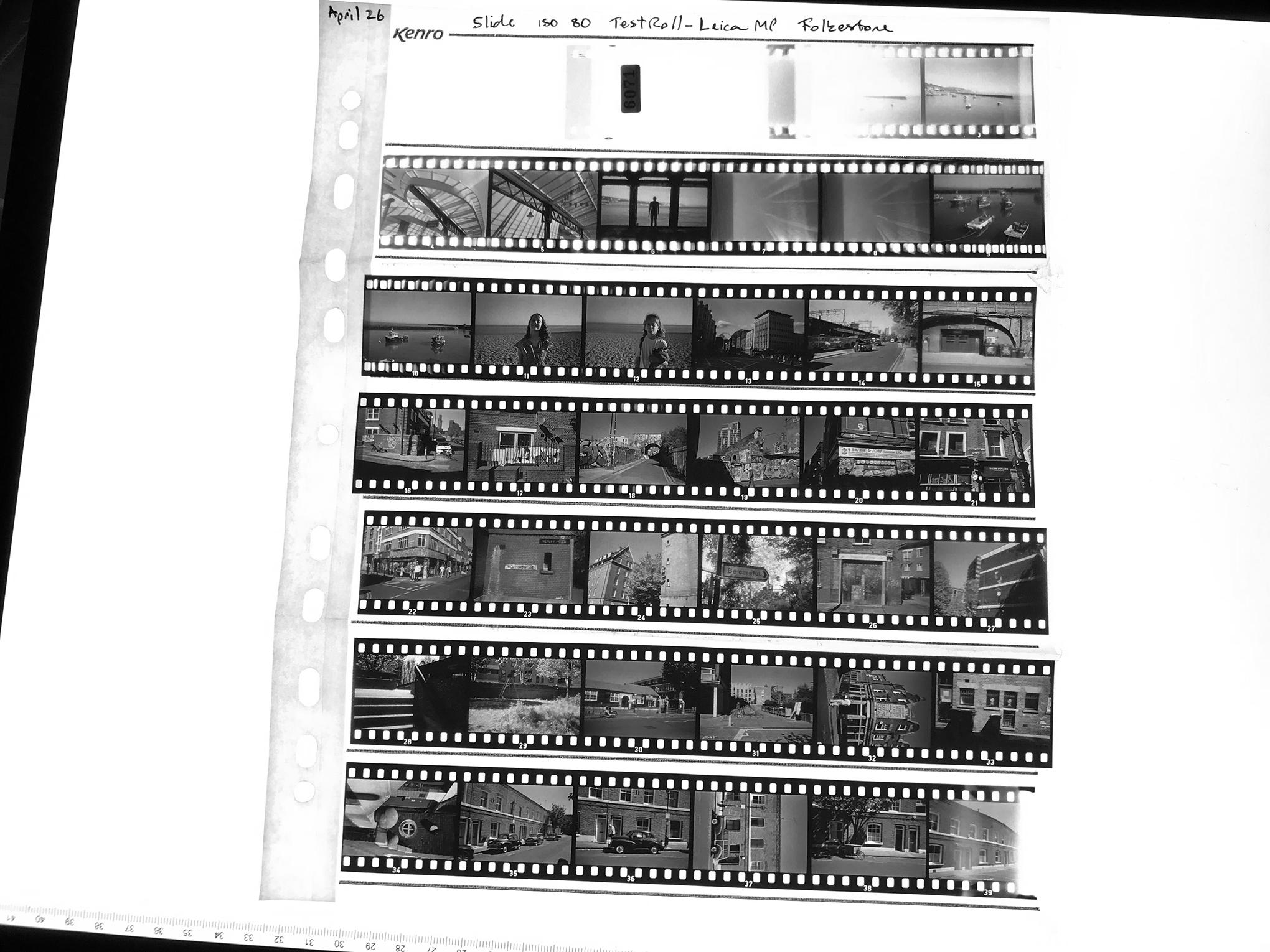
Back in the spring I got the chance to test a roll of 35mm black and white reversal film from the good folk at Aperture Printing here in London. Over the years I’ve used plenty of colour slide film, but never black and white.
So what is black and white reversal film? Rather than producing a negative, where the tones in the image are inverted, so blacks are white and whites are black, reversal film gives you a monochrome ‘positive’. What you see is what you get.
It’s famed for producing classic looking images with strong contrast and minimal grain.
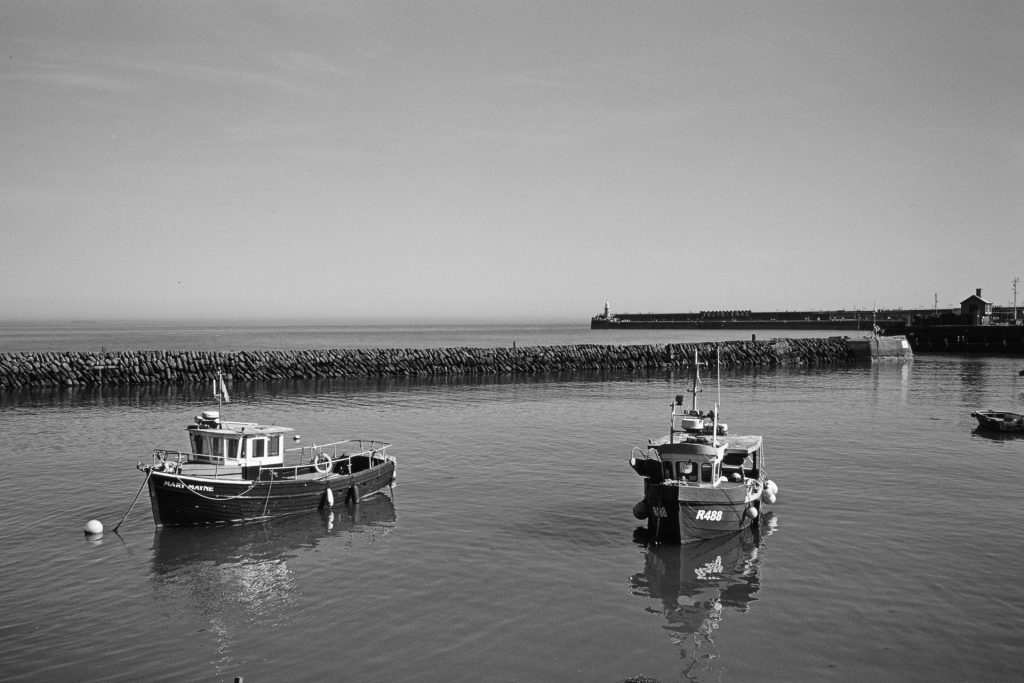
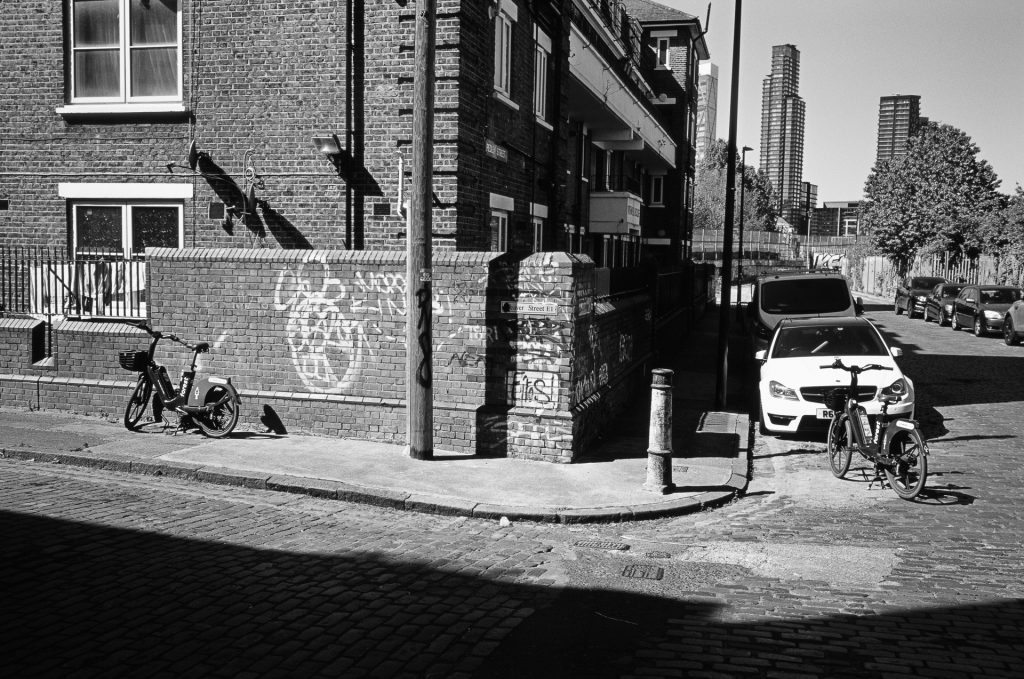
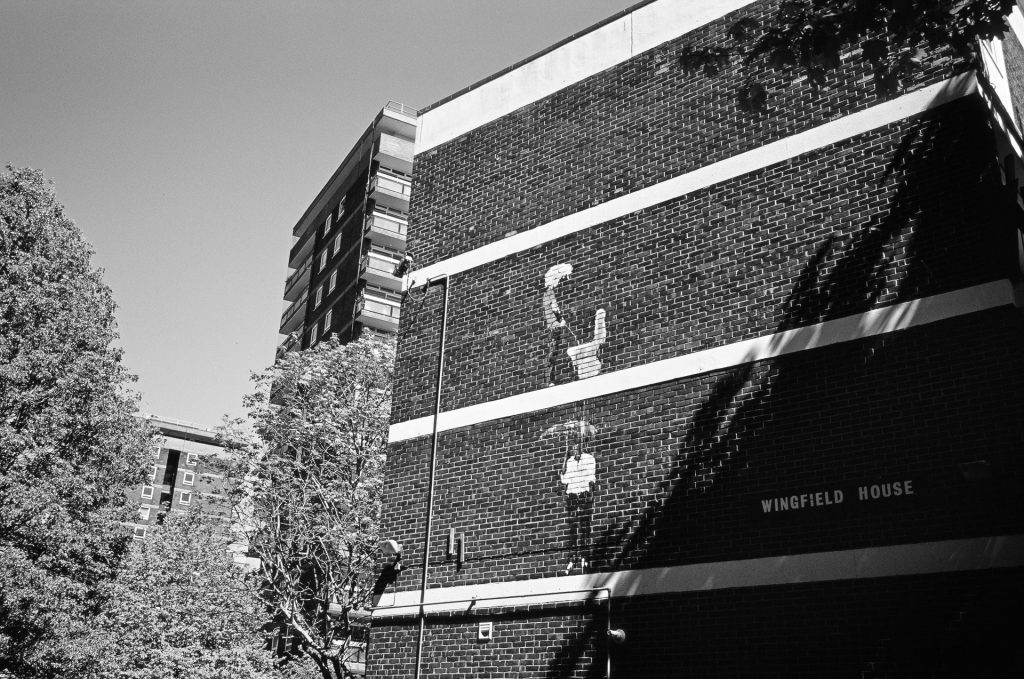
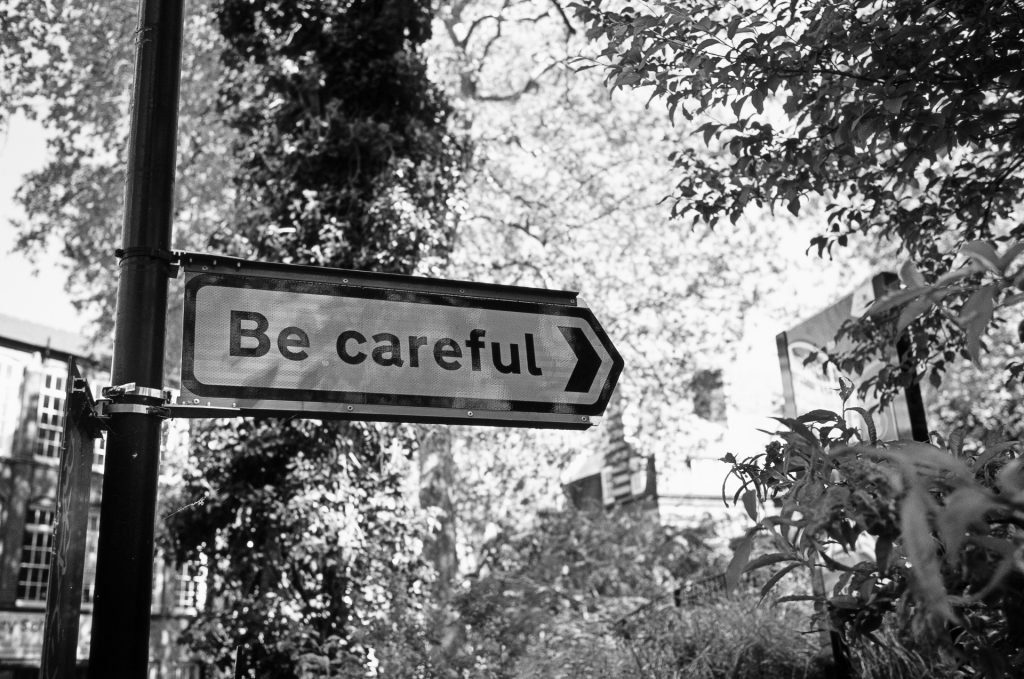
I loaded my test roll in a Leica MP with 35mm Summicron f2, rated at the box speed of ISO 80. I took it for an April day out in Folkestone, then finished the roll with wanders around London’s Brick Lane and Columbia Road. Processing and scanning were done by Aperture Printing.
Here are some of the results:
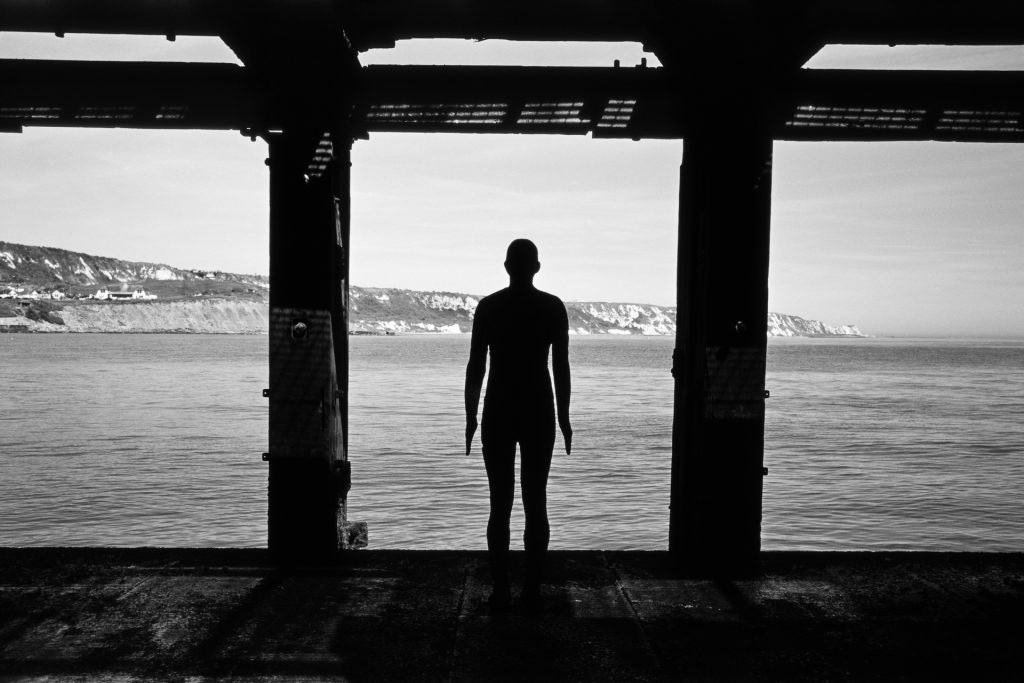
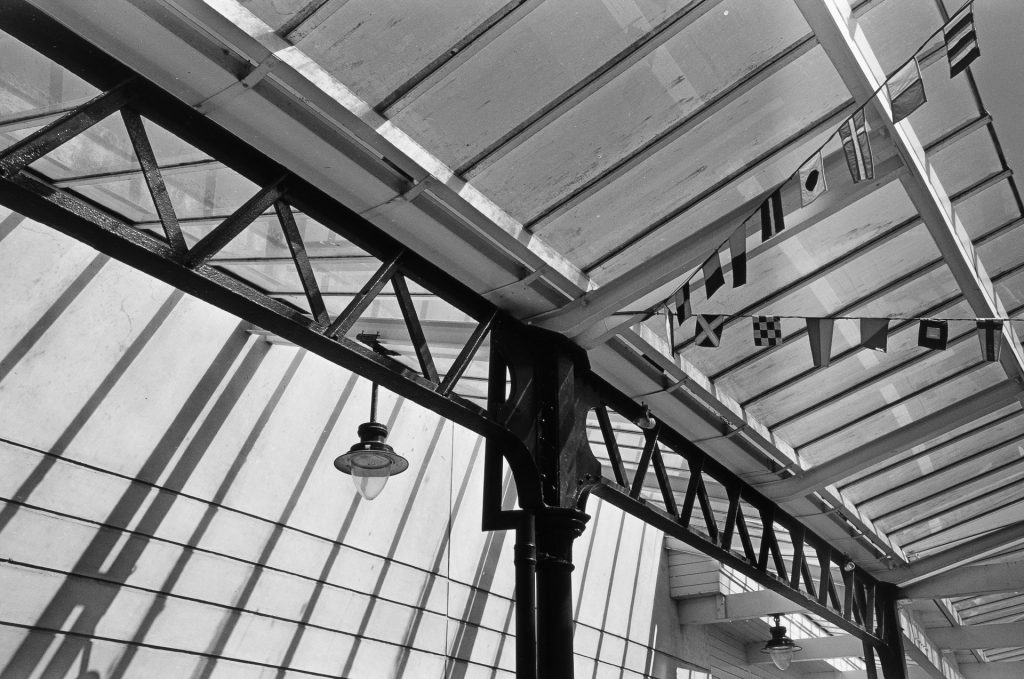
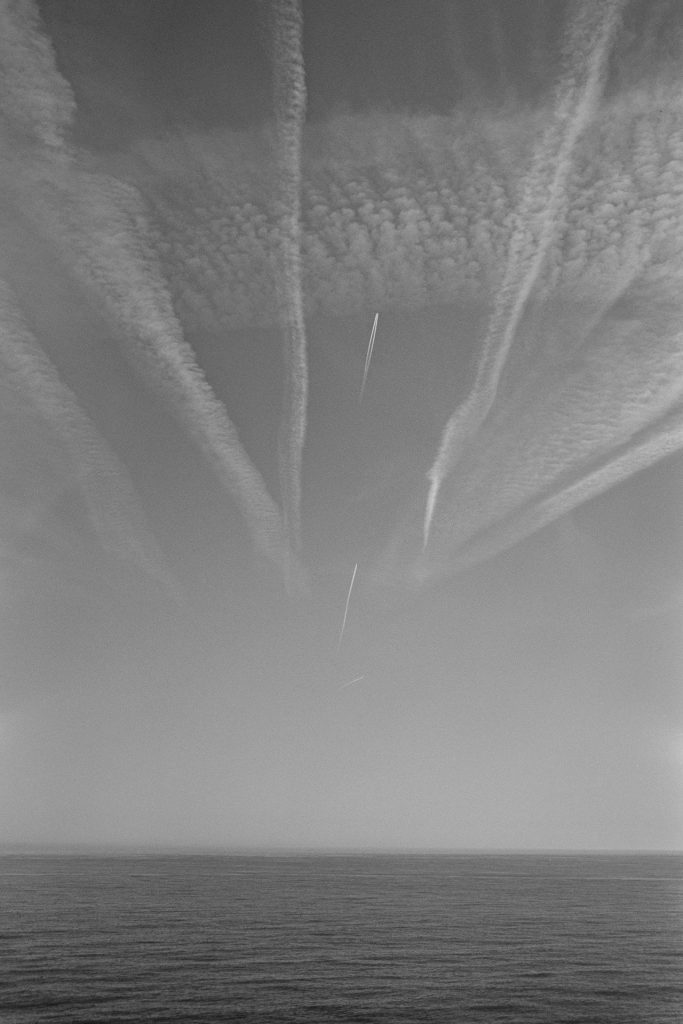
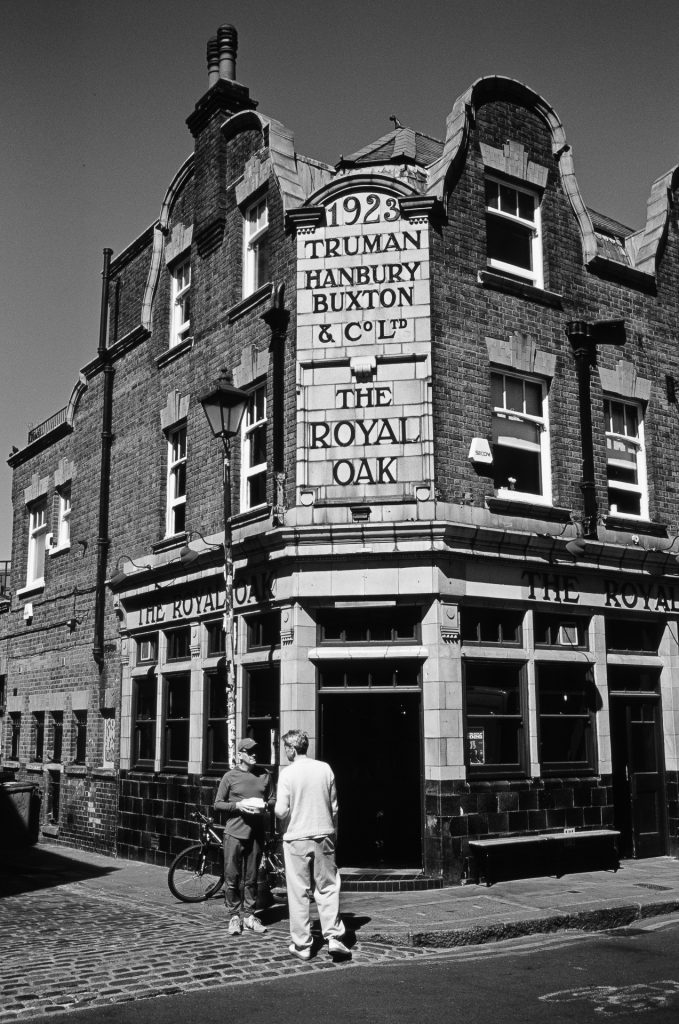
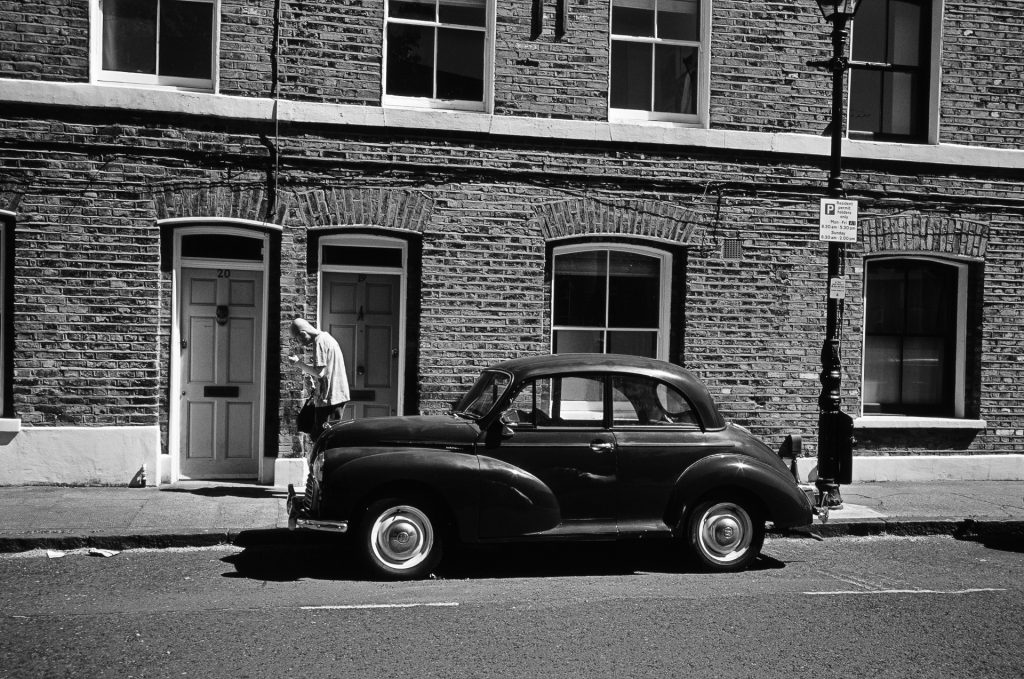
First Impressions?
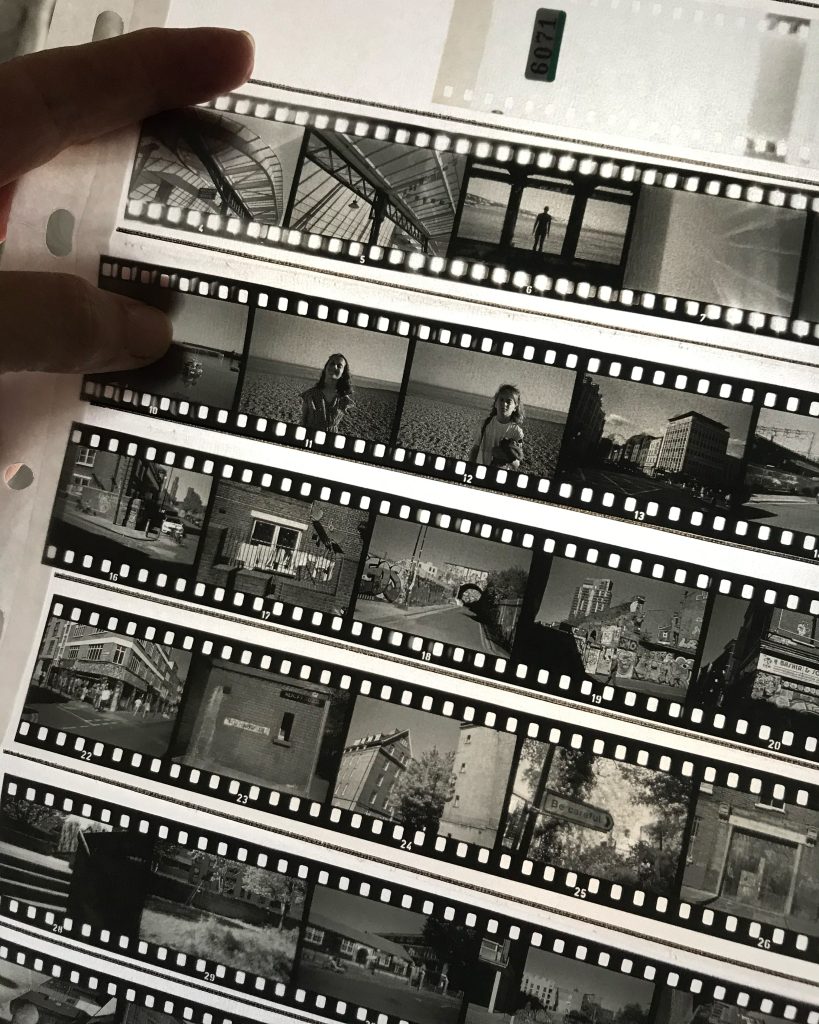
Ooohhhh, what a treat!! Putting the film up to the light is such a joy. Each frame shines out at you like a mini work of art – no printing or scanning needed to convert negatives, just instant gratification on seeing what you photographed.
Yes, it is contrasty, and having a more limited dynamic range compared to the usual black and white negative films you’ll need a light meter you trust. I used my camera’s internal meter and aimed it towards the mid to brighter parts of the frame. I was happy to let the shadows fall to black, I didn’t want to lose those brighter parts. Which is different to how I use regular black and white films like Ilford’s HP5+, where I usually meter for the shadows, knowing that there is so much dynamic range I can retain all the tones.
My lighting conditions were harsh and I did wonder if I’d lose all detail in the shadows or totally blow out the highlights. In a way that’s kind of the point for using such film. Going for that ‘chiaroscuro’ look I wanted to record that dramatic strong contrast. I wanted to create the silhouette of Antony Gormley’s Another Time framed by the docks structure, with the sea and white cliffs in the background. Elsewhere I wanted to maximise all the incredible detail in the urban architecture – all those bricks and windows, lines and graffiti.
I have to say, I’m actually surprised at how much shadow detail was retained. With a little tweaking in Lightroom I could pull out more details if I wanted. The bright blue skies rendered beautifully, no filters were used, and I’m sure had this been colour slide film I’d have seen those blow out to white. Maybe next time I’d put a yellow or orange filter on just to darken the skies a bit more.
The film grain is minimal but still present, with that gorgeous texture telling you it’s classic analogue.
Who is this film for?
Anyone who craves the slide film ‘look’ will want to give this film stock a try. I don’t think it matters what your subjects are – landscapes, street, portraits. If you like that contrasty, classic silver-rich look with deep blacks and bright highlights, you’ll enjoy this film. For sure if you have the ability to load slides into a physical projector and view those images directly on a wall or screen this would be amazing. I can also see the appeal for creatives who want to use light boxes for mixed media art or experimentation in alternative processes like cyanotype printing.
How does it compare?
I suppose from my very limited experience the closest I can compare these results to are something like Kodak Tri-X for that classic punchy contrast, or maybe TMax 100 which presents really sharp results. That said their grain is much more evident so perhaps Ilford’s PanF+ is a closer match.
The Process
Processing black and white reversal film is definitely a specialty service. There aren’t too many labs that offer it. It requires a few extra steps in chemistry and can have longer turnaround times. It was about 3 weeks for my roll to be processed and scanned. So, do consider that if you are planning to use it. There is the option to home develop – kits from Adox, Bellini Foto and Foma are available. Maybe one day I’ll give that a go. I am just about to dive into home developing E6 (colour slide film) for the first time, so watch this space!
Would I use it again?
You betcha! I’d say this process has all the makings of a new analogue addiction. I’m keen to try it again, maybe some dramatic noir style portraits could be fun.
What do you think? Have you used a black and white reversal film before? What was your experience? Any hints and tips gratefully received.
My thanks to Aperture Printing for selecting me as a tester. I understand that they are planning to market this film under their own label for sale. They currently offer a 200 and 400 speed reversal film in 35mm. Do check out their website or visit the shop if you are interested in trying it out. They did a great job on developing and scanning this roll and it felt great to go ‘old skool’ and drop off and pick up my roll direct.
Discover more from Paula Smith | Photography
Subscribe to get the latest posts sent to your email.


Chris R
9 Sep 2026Paula, those look wonderful! I used a roll of Adox Scala 50 last year, and the only lab I could find was Polyfilm Labs (which has apparently recently closed). It looks like the quality of yours from Aperture Printing is significantly better. I had another roll of Adox HR-50, reportedly the same film, but advertised for negative processing; I used HC-110 dilution E and the results were great. I think I’ve got one more roll of HR-50, maybe I should use that and send it to AP!
Paula Smith
9 Sep 2026Hi Chris, thanks for reading and sharing. That’s interesting, film is so flexible. I hadn’t realised that many black and white films could be put through a reversal process to make a positive, though some are more suited than others. I’d definitely think about the reversal process again. Especially if it’s something maybe a bit special, or a project. ISO 50 can be a challenge though now we are heading towards the darker months. LOL!
Mary Jo Richards
9 Sep 2026These images are so striking! And yes, what a joy it would be to see little positives like that in black and white! Thank you so much for sharing them with us.
Paula Smith
9 Sep 2026Thanks so much for reading and commenting Mary Jo.
Bill C White
12 Sep 2026I have developed Scala in B&W chemistry to good result.
Bill C White
12 Sep 2026I have some examples here:
https://www.flickr.com/photos/hexhead/albums/72177720320523769/
Paula Smith
15 Sep 2026Hi Bill,
Thanks for sharing – those results are very pleasing! It’s nice to know it can be done with usual b&W chemistry.
Bill C White
15 Sep 2026Note that it was done with Df96 monobath developer. Don’t ask me to explain why it worked 😉